Colombia remains the primary host country for refugees and migrants from Venezuela, with 2.81 million refugees and migrant residing in the country as of April 2024. In addition to serving as a destination, Colombiafunctions as a key transit corridor towards Central America, North America, and other parts of South America. During the first half of 2024, transit and secondary migration movements increased by 24% within the country, with a calculated 234,000 people participating in them. Meanwhile, the Colombia–Venezuela border continues to experience dynamic pendular migrations flows, primarily driven by access to basic services. In 2025, it is projected that approximately 3 million Venezuelans and 500,000 Colombian returnees will be in Colombia.
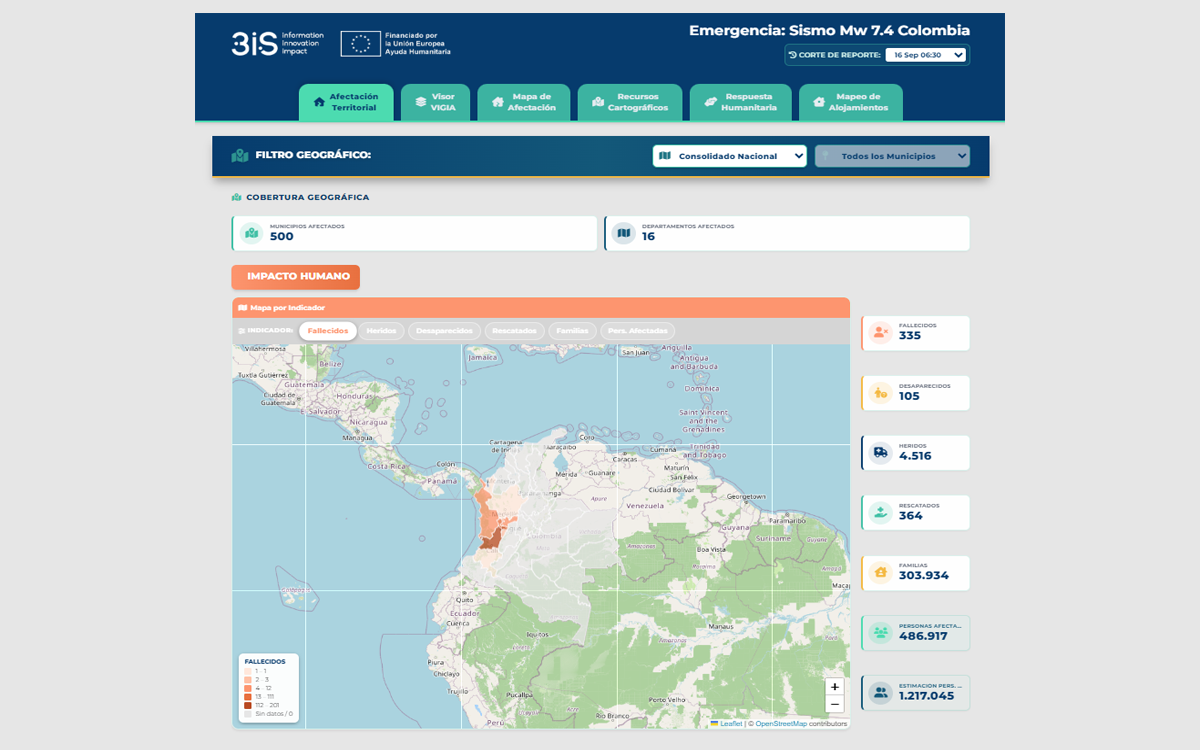
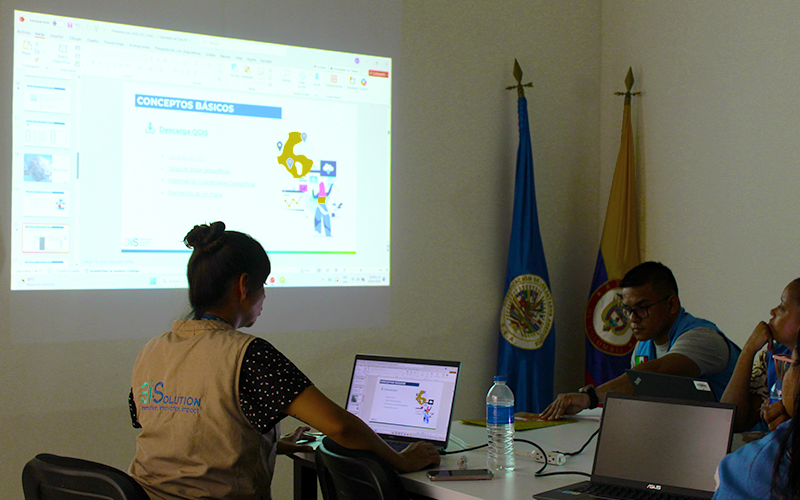
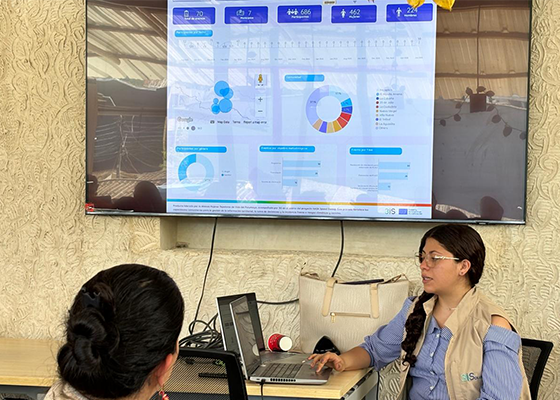
The EVIDEM+ project strengthens humanitarian decision-making and coordination in Colombia and Ecuador by providing on-demand information management products and continuous displacement tracking. By empowering local and national humanitarian actors through targeted capacity-building and co-designed data solutions, the initiative ultimately enhances the effectiveness of crisis response for vulnerable populations affected by armed conflict and disasters.
This document is organized into two complementary analytical sections to clearly distinguish two levels of interpretation that, although closely related, are not equivalent. The first section focuses on the EVIDEM project as an intervention, examining its relevance, implementation logic, results, installed capacities, limitations, and strategic learning across the three countries.
The second section focuses on the organization and the consortium architecture that made the intervention possible, analyzing aspects such as governance, coordination among partners, working culture, internal processes, and the institutional conditions required to sustain and scale the model.
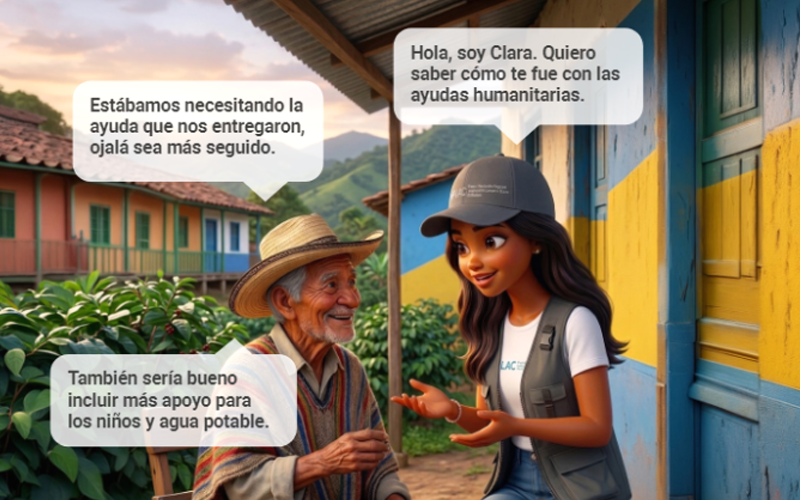
3iS’ ANTICIPA is an intelligent multi-agent AI system backed by Google Cloud Platformed designed around community engagement. ANTICIPA will allow for enhanced data-driven decision-making for humanitarian organizations and local authorities, alongside increased community resilience and ownership stemming from the co-creation of risk knowledge and chatbot-facilitated capacity building.